

What Would Cause Low Water Pressure in a House? Causes and Remedies
6 min read • August 14th, 2026
6 min read • August 14th, 2026

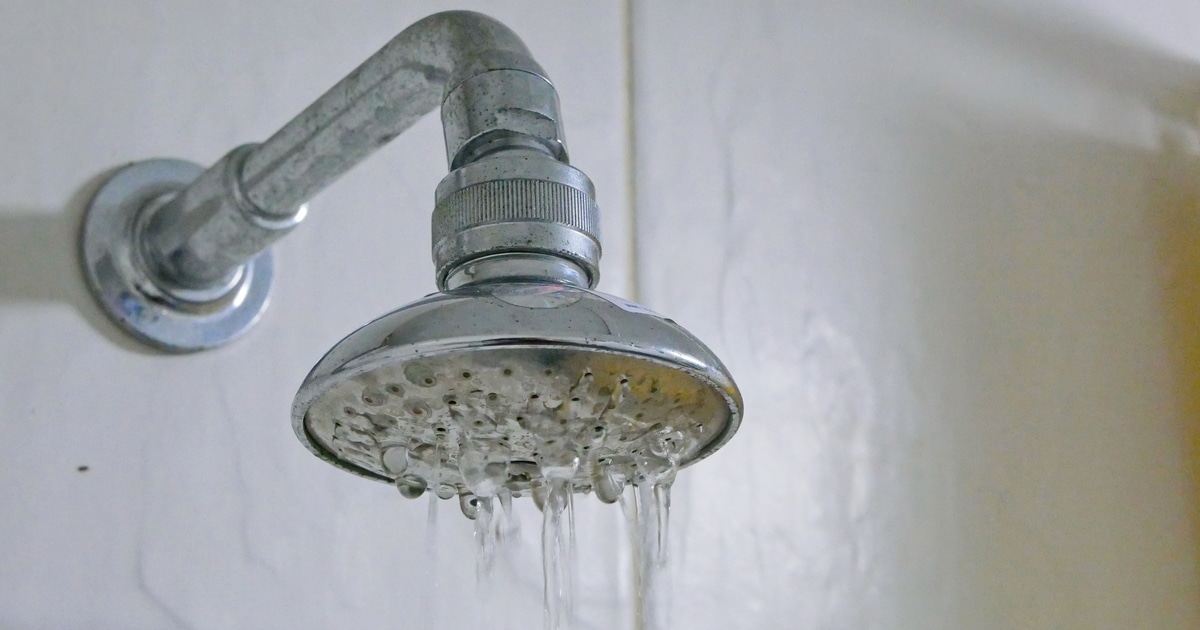
Low water pressure in a house has a way of turning everyday tasks into frustrations. The good news is that water pressure problems are usually caused by something fixable: a partially closed shutoff valve, a failing pressure regulator, corroded or clogged pipes, a leak in your system, or an issue with your municipal water supply. Some of these can be solved by a quick DIY, while others will need a licensed plumber.
Keep reading to learn what would cause low water pressure and what to do next.
Not all water pressure problems are created equal. Some you can fix before your morning coffee is done, and others require a licensed plumber. Here’s how to work through the most common causes, starting with the ones that are easiest to check yourself:
1. A problem with your municipal water supply can cause a sudden drop in pressure that has nothing to do with your home at all. Municipal water systems experience pressure fluctuations due to main breaks, infrastructure work, or increased demand during hot weather.
Ask your neighbors if they’re experiencing the same thing. If they are, call your water utility and ask if there’s a known issue in your area. Most utilities have a customer service line or a website where they post service alerts.
If the issue is on their end, there’s not much you can do except wait it out. If it becomes a recurring problem, a plumber can install a water pressure booster system to compensate for inconsistent municipal pressure.
2. Peak usage hours can significantly impact your water pressure. If your pressure is only low at certain times of day, like the early morning or late evening, the culprit may simply be that everyone in your neighborhood is using water at the same time.
Municipal water systems are sized to handle average demand, not peak demand. When a large number of households are running showers, dishwashers, and sprinkler systems simultaneously, pressure across the system drops.
If this is your situation, the easiest fix is adjusting your routine by running the dishwasher overnight, watering the lawn at off-peak hours, and so on. If the pressure drop is severe enough to be a real problem, a plumber can evaluate whether a booster system makes sense for your home.
3. A shutoff valve that isn’t fully open is the first thing to check, and it’s the easiest fix of all.
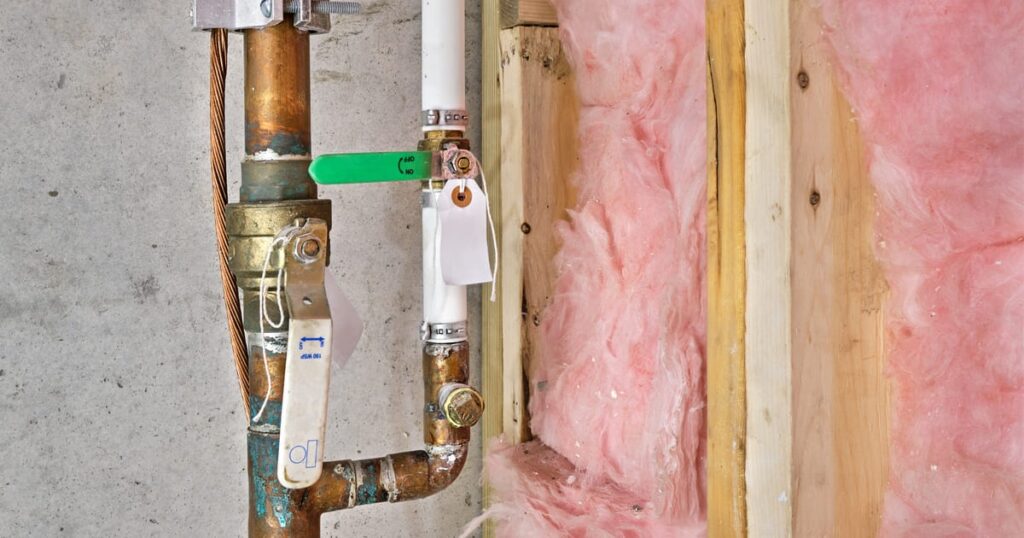
Your main house shutoff valve controls the flow of water into your entire home. It’s typically found near your water heater, in a utility room, or where the supply line enters your foundation. If either was recently turned off for a repair, a leak, or an emergency, there’s a chance it wasn’t opened back up all the way.
Find your main shutoff valve. If it has a round handle, turn it counterclockwise until it stops. If it has a lever handle, make sure it’s parallel to the pipe and not at an angle.
This takes about 30 seconds and is the easiest DIY repair on the list.
4. A faulty fixture or clogged aerator is often the culprit when low pressure is limited to a single faucet or shower.
Faucet aerators (the small mesh screens at the tip of your faucet) are designed to mix air into the water stream, which reduces flow volume without affecting pressure. Over time, they can collect mineral deposits and debris that restrict flow. They’re easy to remove, easy to clean, and easy to replace if cleaning doesn’t do the trick.
Showerheads can have the same problem. Unscrew the head, soak it in white vinegar for a few hours, and reinstall it. If that doesn’t restore the flow, a new showerhead is an inexpensive fix.
If cleaning and replacing the fixture doesn’t help, it’s best to check the rest of the items on this list.
5. A failing pressure-reducing valve (PRV) can cause your water pressure to drop or spike seemingly out of nowhere. Not every home has one, but if yours does, a failing pressure regulator is another common cause of sudden low water pressure.
Think of a PRV as a gatekeeper. It’s a small bell-shaped device usually located near your main shutoff valve, and its job is to take the pressure coming in from the municipal supply and bring it down to a level that’s safe for your pipes and appliances. When it’s doing its job, you never think about it. When it starts to go, you’ll feel it.
Attach a water pressure gauge to the hose spigot closest to your pressure regulator. If the gauge reading is significantly lower than what the regulator is set to, the regulator is likely the problem.
This isn’t a complicated repair, but it’s not a DIY one either — getting the settings wrong can cause problems for your pipes and appliances down the line. The good news is it’s usually a quick fix for a licensed plumber.
6. A leak somewhere in your system can quietly reduce water pressure even if you can’t see or hear it. Even a small one can divert enough water to reduce the flow at your faucets and fixtures.
If you suspect a leak, here’s a quick test: turn off every water source in your house (faucets, appliances, everything) and check your water meter. Write down the reading, wait 30 minutes without using any water, and check again. If the meter has moved, it’s safe to assume you have a leak.
Visible signs of a leak include water stains on walls or ceilings, soft spots in flooring, an unexplained increase in your water bill, or the sound of running water when nothing is on. Read our blog to learn How to Spot a Hidden Water Line Leak.
Don’t ignore a suspected leak. Beyond the pressure issue, leaks can damage your foundation, encourage mold growth, and contaminate your water supply. A plumber can help with water leak detection and pipe repair.
7. Corroded or aging pipes are a common cause of low water pressure in homes built before the 1970s.
Galvanized steel pipes, which were standard in homes built before the 1960s, have a lifespan of roughly 20–50 years. As they age, mineral deposits and rust build up on the inside walls of the pipe, gradually narrowing the channel that water flows through. The result is a slow, progressive drop in water pressure that homeowners often write off as “just the way it is” — until it gets bad enough to notice.
Pull your home’s permit history or ask the previous owners what the pipes are made of. If you have galvanized steel and the house is more than 40 years old, corrosion is among the common plumbing problems in old homes. A plumber can confirm this with a camera inspection.
If corroding pipes are to blame, the repair involves repiping. Though it may sound dramatic, repiping can typically be done with minimal disruption to your walls or daily routine.
8. A clog deep in your supply lines can decrease water pressure throughout your entire home.
Clogs don’t just happen in drains. Your supply lines, or the pipes delivering water into your home, can get clogged too. When they do, water pressure drops.
The deeper the clog sits in your system, the more of your house it affects. A blockage near your main supply line can affect pressure everywhere.
Repairing a clog this deep is definitely not a DIY project. An experienced plumber will use a sewer camera inspection to pinpoint the clog and determine the best way to clear it.
Still stumped after running through the list? That’s what plumbers are for. A good one can diagnose the cause quickly, give you a straight answer on what it’ll take to fix it, and have your pressure back to normal faster than you’d expect.
Sudden low water pressure is most often caused by a partially closed shutoff valve, a failing pressure regulator, or a problem with your municipal supply. If it happened overnight with no obvious explanation, check your shutoff valves first, then call your water utility to ask about service disruptions in your area.
Low pressure itself doesn’t typically cause damage — but the underlying cause often can. Corroded pipes, leaks, and clogs all get worse over time. If left unaddressed, they can lead to water damage, mold, and expensive repairs.
Generally, yes — if you rent, your landlord is responsible for maintaining adequate water pressure. Document the issue in writing and notify your landlord. If the problem stems from the municipal supply, the utility is responsible.
Yes. Hard water deposits calcium and magnesium inside pipes over time, gradually narrowing the flow. This is a common issue in many parts of Maryland, where water tends to run on the harder side. A water softener can help prevent buildup, and a plumber can assess whether existing buildup needs to be addressed.
If you’ve worked through this list and still can’t pinpoint the problem — or if you’ve identified the cause but don’t want to tackle it yourself — call Heil Plumbing & HVAC.
We’ve been diagnosing and remedying low water pressure issues for Maryland homeowners in Howard, Baltimore, Anne Arundel, Montgomery, Carroll, and Prince George’s Counties for three generations and have seen it all. With expert diagnostics and a customer-focused approach, our licensed plumbers will give you options and transparent pricing before they start the work.
Contact us to schedule a consultation. We’d be happy to help.