

Home / News & Media / Bath and Shower Plumbing

Why Your Bathroom Sink Smells — and How to Fix It

5 min read • September 28th, 2026

Image
Heil Plumbing
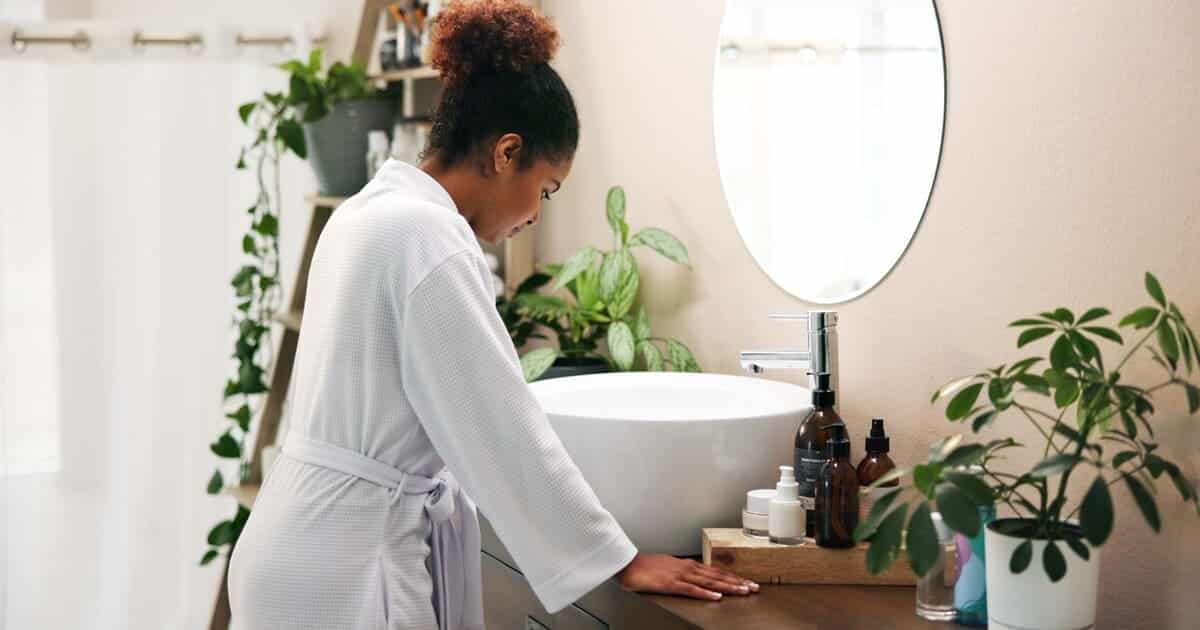
A woman looks into her bathroom sink and thinks, "This bathroom sink smells!"

Bathroom sink smells are unpleasant, embarrassing, and almost always caused by one of four things: biofilm buildup inside the drain, a dry or damaged P-trap, a corrugated drain pipe trapping debris, or a blocked plumbing vent. The good news is that there are real solutions to these problems. Unfortunately, the most popular DIY remedies don’t actually work.

Here’s the real story behind that smell — and what to do about it.

What’s Causing Your Smelly Bathroom Sink?

Finding a solution to your stinky bathroom sink starts with identifying the cause. Here are some of the most common:

  1. A dirty pop-up stopper is one of the most overlooked sources of bathroom sink odor. If your sink has a pop-up stopper (the kind you push down to close), pull it out and take a look. Hair and slime accumulate around the stopper mechanism and under the cap constantly. 
  2. Biofilm buildup is a slimy layer of bacteria that develops inside your drain over time. Soap scum, toothpaste, hair, and skin cells all contribute to it, and as it decomposes, it releases a musty, sewer-like odor that gets worse when you run hot water. This is the most common reason a bathroom sink stinks.
  3. A dry or damaged P-trap is the U-shaped pipe under your sink that holds a small amount of water, creating a seal that blocks sewer gas from rising into your home. When it dries out, that seal disappears and sewer gas flows freely into the room. Sewer gas contains methane, which in enclosed spaces can cause headaches, nausea, and dizziness with prolonged exposure.
  4. Corrugated drain pipes are flexible, ribbed pipes that some sinks have under the drain instead of smooth PVC. Those ridges can trap hair, soap scum, and debris the same way an accordion traps air. That trapped buildup decomposes and produces a persistent odor that no amount of running water will clear.
  5. A blocked plumbing vent can affect multiple drains at once and is accompanied by slow draining or gurgling sounds. Plumbing vent pipes running through your roof can get blocked by debris, a bird’s nest, or ice, causing sewer gas to back up into your home instead of escaping outside. 

Identifying the likely cause puts you halfway there. Before you start fixing, though, there are a few popular remedies worth steering clear of.

What Won’t Work If the Sink Stinks in Your Bathroom

The internet is full of home remedies for a smelly bathroom sink. A few of them help temporarily, but a few can make the problem even worse.

Pouring baking soda and vinegar down your drain is the most popular suggestion online, and it’s also the least effective. The fizzing reaction feels productive, but it’s too weak to remove biofilm, clear buildup, or do anything meaningful to your pipes. The smell will come back within days, and repeated use can actually push loose debris deeper into your drain line rather than clearing it.

Scented drain deodorizers mask the smell but don’t address the root cause. You’ll be buying them indefinitely and never attacking the real problem.

Pouring boiling water down your sink drain might temporarily melt surface grease, but it doesn’t remove the coating deeper in your pipes. When the grease cools and re-solidifies a few feet down, the smell returns quickly. And if your pipes are cold because they’re near an exterior wall or in an unheated space, the boiling water can cause PVC pipes to crack. It’s not worth the risk.

Now that you know what doesn’t work, here’s what actually gets rid of the smell for good.

What Actually Works for Bathroom Sink Smells

Match the solution to the cause, and you’ll solve the problem. Here’s where to start:

  1. A dirty pop-up stopper is the quickest win on this list. Pull it out (most lift straight up or twist off) and use an old toothbrush and dish soap to scrub off the hair and slime from the stopper, its shaft, and the drain opening. Rinse, reinstall, and see if the smell improves before moving on to anything else. It takes about two minutes.
  2. Biofilm buildup responds well to physical removal. A plumber can snake the drain to scrape the buildup from inside your pipes and flush the line clean. For mild cases, our guide on how to unclog a bathroom sink covers some techniques that can help with early-stage buildup too.
  3. A dry P-trap is the easiest fix on this list. Run water for 60 seconds to refill it. If the smell returns quickly, call a plumber — the trap may be cracked or there may be a venting issue pulling the water out.
  4. A corrugated pipe needs to be replaced with smooth PVC. It’s a straightforward job for a plumber and a permanent fix — no recurring smell, no repeat visits.
  5. A blocked plumbing vent requires a professional. Vent work involves roof access and internal pipe inspection, and it’s not a safe or practical DIY project.

If you’re not sure which cause you’re dealing with, start at the top of the list. The simplest fixes take minutes to rule out — and you may not need to go any further.

Frequently Asked Questions

Why does my bathroom sink smell like rotten eggs?

A rotten egg smell almost always indicates sewer gas, which points to a dry or damaged P-trap or a blocked vent pipe. Run water for 60 seconds to refill the P-trap. If the smell persists or returns quickly, call a plumber to inspect the trap and your venting system.

Why does my bathroom sink smell musty?

A musty smell is typically biofilm — the bacterial buildup that accumulates inside your drain from soap scum, hair, and toothpaste. It’s very common and very fixable, but it needs to be physically removed rather than masked with cleaners or deodorizers.

Why does my sink stink even after I clean it?

If you’re cleaning the surface of the sink but the smell keeps coming back, the source is almost certainly biofilm buildup, a corrugated pipe trapping debris, or a P-trap issue. Surface cleaning won’t reach any of those causes.

How much does it cost to fix a smelly bathroom sink?

It depends on the cause. Refilling a dry P-trap costs nothing. Snaking a drain for biofilm is a relatively minor service call. Replacing a corrugated pipe is a straightforward job with a modest cost. For a better sense of what professional drain service typically runs, see our breakdown of how much a plumber costs to unclog a drain.

Should I use enzyme drain cleaners?

Enzyme cleaners can help break down organic matter as a maintenance step, but they’re not a cure for an existing biofilm problem or a corrugated pipe full of debris. They work best as a preventative measure after a professional cleaning.
Some Sink Smells Need More Than a DIY Fix

If you’ve cleaned the stopper, refilled the P-trap, and the smell is still there, the cause is probably something a plumber needs to address. For Baltimore area homeowners, Heil Plumbing & HVAC has been getting to the bottom of plumbing problems for 50 years — with honest assessments and upfront pricing that makes sure you know exactly what you’re getting into before any work begins.

Contact our office for Baltimore, Montgomery County, and Howard County drain cleaning. We’d be happy to help you banish that sink stink for good.
Contact

Heil Plumbing & HVAC Team

8177 Mission Rd Jessup, MD, 20794, United States

(410) 799-7727
https://heilplumbing.com

Schedule Service

Address

related articles

A woman looks into her bathroom sink and thinks, "This bathroom sink smells!"
Bath and Shower Plumbing
5 min read • September 28th, 2026

Why Your Bathroom Sink Smells — and How to Fix It

Bathroom sink smells are unpleasant, embarrassing, and almost always caused by one of four things: biofilm buildup inside the drain, a dry or damaged P-trap, a corrugated
Image
Heil Plumbing
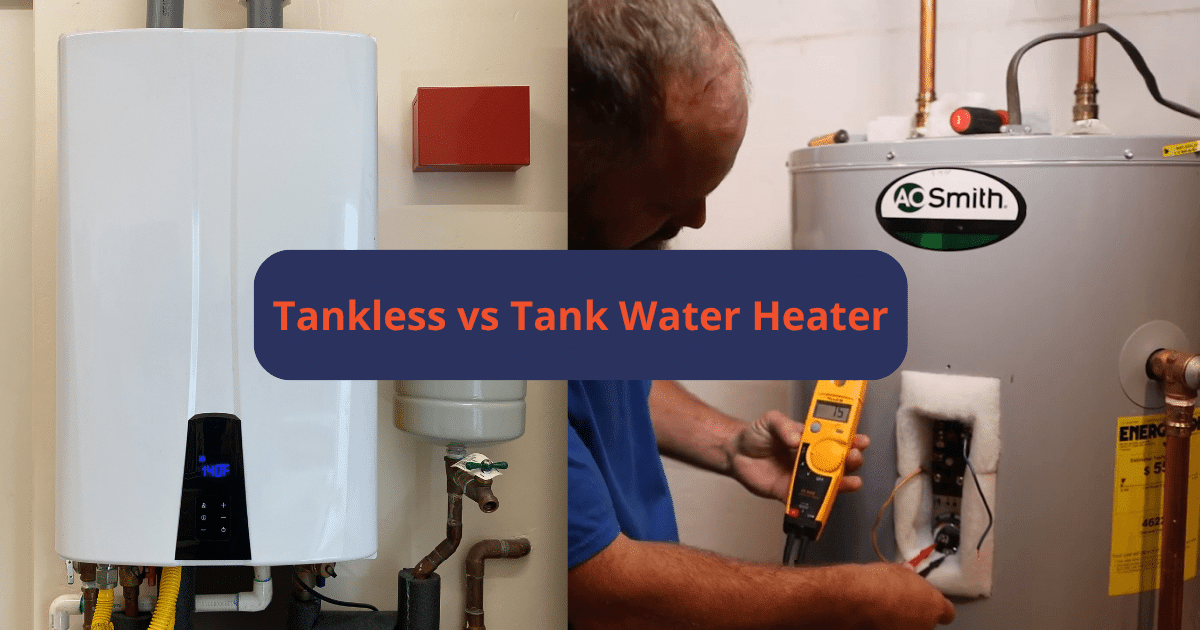
A photo of a tankless water heater is placed next to a photo of a tank water heater and is useful in comparing tankless vs tank water heater.
Water Heater Tips
5 min read • August 28th, 2026

Tankless vs. Tank Water Heater: Which Is Right for Your Home?

Confused about the differences between tankless vs. tank water heater? If you’re shopping for a new water heater, you’re going to need to weigh those differences pretty
Image
Heil Plumbing
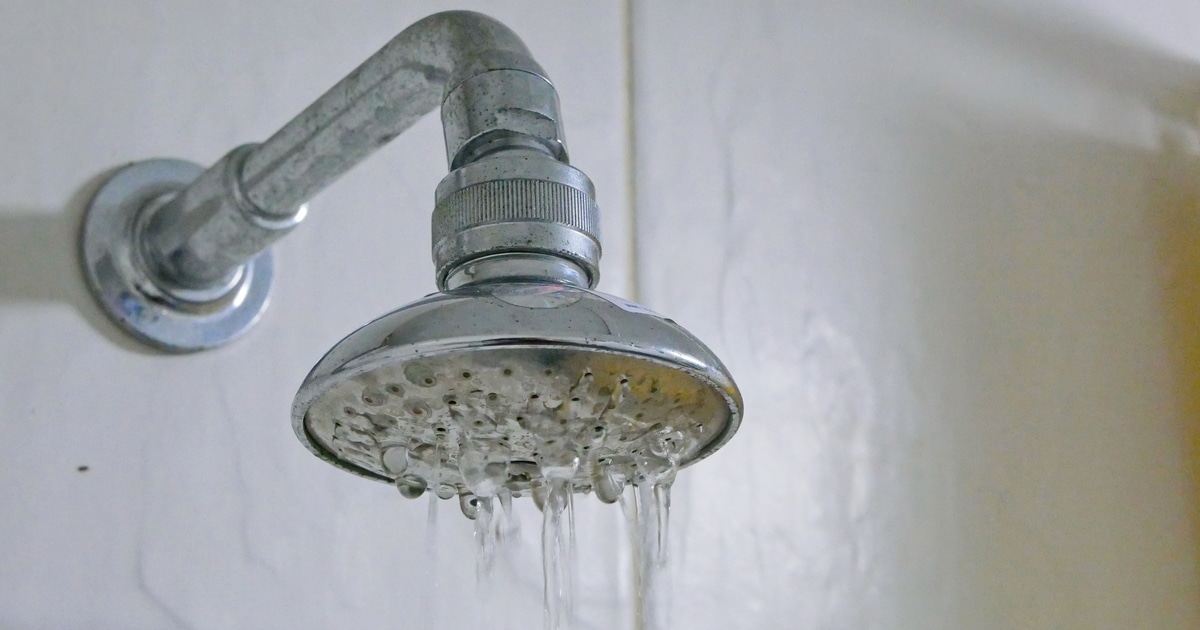
What would cause low water pressure in a house? This picture answers part of the question: corrosion and mineral buildup on fixtures.
Bath and Shower Plumbing
5 min read • August 14th, 2026

What Would Cause Low Water Pressure in a House? Causes and Remedies

Low water pressure in a house has a way of turning everyday tasks into frustrations. The good news is that water pressure problems are usually caused by
Image
Heil Plumbing