

Home / News & Media / Homeowner Tips

If Pipes Are Frozen, What Do I Do? A Quick Guide

5 min read • November 6th, 2026

Image
Heil Plumbing
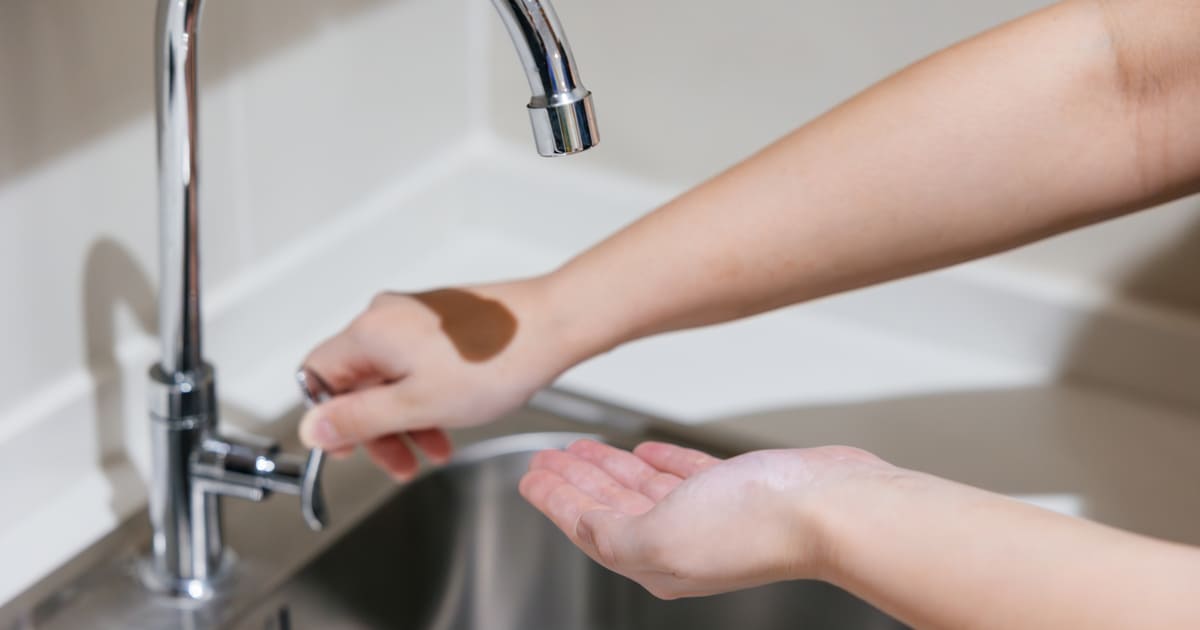
A person tries to turn on her faucet, but she is left with no water and wonders, "If pipes are frozen, what do I do?"

If you just searched “if pipes are frozen, what do I do,” you probably have no running water, and you need answers fast.

Here’s exactly what to do, step by step.

If Pipes Are Frozen, What Do I Do Right Now?

These seven steps can keep a frozen pipe from becoming a flooded home, so start at the top and move down.

  1. Shut off the main water valve. Do this first, even if you aren’t sure a pipe has burst. Ice can crack a pipe without leaking, and when it thaws, water can come pouring out. The main valve is usually where the water line enters your home, often in a basement, crawl space, utility room, or near the water heater.
  2. Find out which pipes are frozen. Check which faucets have no water or only a trickle. If it’s just one, the freeze is on the line leading to it. If only the hot or only the cold is out, start with that line. If everything is dry, the freeze may be near the main line, or it may be a city supply issue, so check with a neighbor.
  3. Open the affected faucets partway. If a faucet has separate hot and cold handles, open both. If it has a single handle, set it to the middle. This relieves pressure in the pipe and gives melting ice and water somewhere to go.
  4. Find the frozen section. Look where pipes freeze first: exterior walls, basements, crawl spaces, attics, garages, and under sinks on outside walls. A frozen pipe often has frost on it, feels extremely cold, or looks slightly bulged. If you can’t find it, or you think it might be behind a wall, call a plumber.
  5. Thaw the frozen pipe gently. Warm the pipe with a hair dryer, a heating pad wrapped around it, or towels soaked in hot water. Start at the end closest to the faucet and work toward the frozen spot, so melting water and steam can escape. If you use a space heater, keep it well away from walls, curtains, and anything flammable.
  6. Watch for leaks as it thaws. When water starts to flow, check the pipe and the area around it. Turn the main valve back on slowly, and keep an eye out for drips or dampness.
  7. Keep the heat on. Open cabinet doors under sinks so warm air can reach the pipes, and leave your thermostat at 55 degrees or higher, day and night.

If the pipe is cracked or leaking, or you still have no water after warming the pipe, call a plumber. And even if you managed to thaw a frozen pipe, a quick plumbing inspection may still be worth it because pipes may have weakened.

Knowing what to do is half the battle. The other half is knowing which tempting shortcuts to skip.

What Not to Do When Your Pipes Are Frozen

In an emergency, it might be tempting to try something crazy, but resist the temptation.

  • Don’t use an open flame. Blowtorches, lighters, and propane heaters can ignite what’s inside your walls and damage pipes. It’s a serious fire risk.
  • Don’t use boiling water. Heating a pipe too fast can crack it. Warm towels or a hair dryer are safer.
  • Don’t wait it out. If the water is off and you do nothing, the pipe could burst when the temperature rises.
  • Don’t turn the water back on full blast. Restoring flow slowly gives you a chance to spot a leak before it becomes a flood.
  • Don’t use electrical devices near standing water. If there’s water on the floor, keep electric space heaters away from it.

Each of those warnings exists for the same reason: a frozen pipe is under more pressure than it looks.

What Happens When Your Pipes Freeze?

Water expands by about 9 percent when it turns to ice, and that expansion is what makes a frozen pipe dangerous.

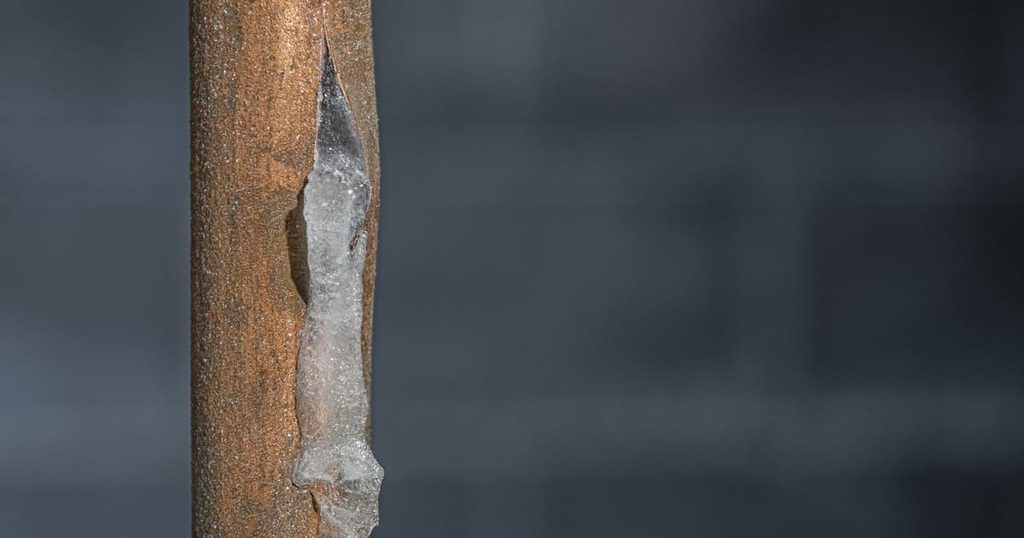
When a section of pipe freezes, the ice forms a plug. As more of the water behind it freezes, pressure builds between the ice blockage and the closed faucet. That pressure is what splits a pipe, and the split often happens in a weak spot between the ice and the faucet, not where the ice actually sits.

Here is the part that catches people off guard. A pipe can crack while frozen and show no sign of a leak, because the ice itself is plugging the hole. The leak may only show up when the ice melts. That’s why a thawed pipe isn’t necessarily a safe pipe, and why you should check it carefully after the water comes back.
What If a Pipe Has Already Burst?

A burst pipe is an example of what happens when your pipes freeze.

A burst pipe can flood a home in minutes, so move quickly and in this order.

  1. Shut off the main water valve right away.
  2. Open faucets to drain the remaining water from the system.
  3. Turn off the power if water is near outlets, appliances, or your electrical panel. Only do this if you can reach the breaker without standing in water. If you can’t, stay out and call for help.
  4. Move belongings out of the way and soak up standing water with towels and a wet vacuum if you have one.
  5. Take photos and video of the damage before you clean up.
  6. Call a licensed plumber, and then your insurance company.

When the cleanup and repairs are done, a few simple steps can help keep your pipes from freezing again in the future.
How to Keep Your Pipes From Freezing Again

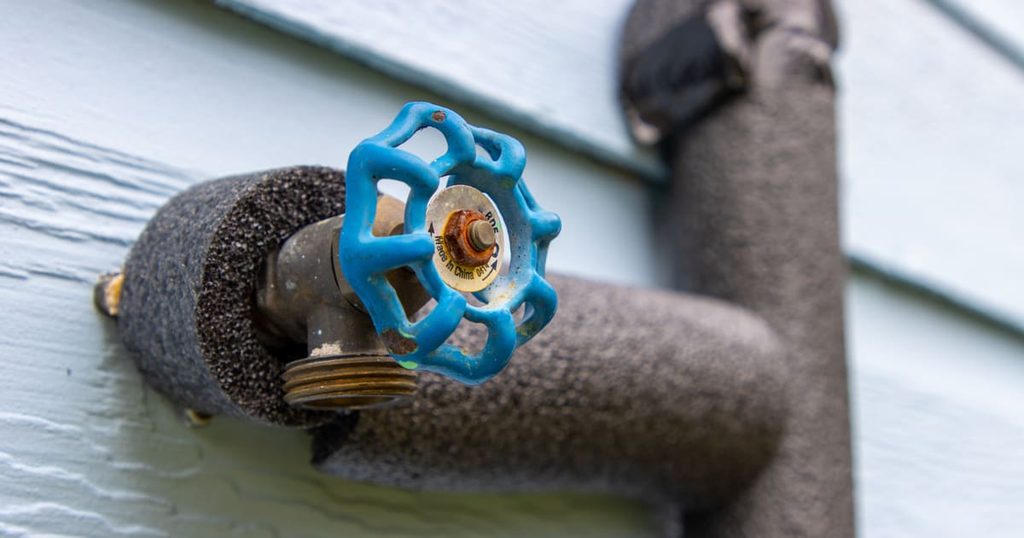
Pipes frozen? Not when you disconnect your outdoor hose and insulate your spigot.

A little prevention goes a long way, and winterizing pipes takes just a few minutes.

Before the next cold hits:

  • Insulate pipes in cold or exposed areas
  • Seal air leaks around windows, doors, dryer vents, and pipes that run through exterior walls
  • Disconnect garden hoses and protect your outdoor faucets

On the coldest nights:

  • Let faucets drip
  • Open cabinet doors under sinks so warm air reaches the pipes

To learn more, read  Watch Out For Frozen Pipes This Winter.

FAQs

Will frozen pipes thaw on their own?

Yes, when temperatures rise. But a pipe that cracked while frozen can start leaking as soon as the ice melts, so shut off the water and open a faucet to relieve pressure while you wait.

How long does it take for pipes to freeze?

It depends on the temperature, wind, and insulation. In severe cold, an exposed or poorly insulated pipe can freeze within several hours.

At what temperature do pipes freeze?

Water freezes at 32 degrees, but pipes usually need to be exposed to temperatures around 20 degrees or lower for several hours before they freeze. Pipes in unheated or exposed areas freeze sooner.

Should I turn off the water if my pipes are frozen?

Yes. Shutting off the main valve keeps more water from entering the pipe and limits the damage if the pipe bursts or leaks as it thaws.

Should I leave the faucet open if my pipes are frozen?

Yes, partly open. It relieves pressure in the pipe and gives melting water a way out.

Can a frozen pipe burst after it thaws?

Yes. Ice often damages a pipe before it ever leaks, and the leak shows up once the ice melts. Check the pipe closely as water returns.

Does insurance cover frozen or burst pipes?

Many homeowners policies cover sudden water damage from a burst pipe, but coverage varies. Take photos of the damage and check with your insurer about your specific policy.

Who do I call for frozen pipes?

Call a licensed plumber. If you have a pipe that’s cracked or leaking, shut off the main water valve first.

Pipes Frozen in the Baltimore Area? Call Heil.

Thawing a pipe yourself can get the water flowing again, but it can’t tell you whether the pipe is damaged. A pipe that froze may be cracked or weakened even if it isn’t leaking yet, and a small crack can turn into a flood later. That’s where a plumber comes in. 

Heil Plumbing & HVAC has helped homeowners in Howard County and the surrounding area with their plumbing for nearly 50 years. Our licensed plumbers find the freeze, check for hidden cracks, and repair what’s damaged. Our Howard County water leak repair service provides honest answers and upfront pricing before any work begins. Contact us, and we’d be happy to help.

Contact

Heil Plumbing & HVAC Team

8177 Mission Rd Jessup, MD, 20794, United States

(410) 799-7727
https://heilplumbing.com

Schedule Service

Address

related articles

A person tries to turn on her faucet, but she is left with no water and wonders, "If pipes are frozen, what do I do?"
Homeowner Tips
5 min read • November 6th, 2026

If Pipes Are Frozen, What Do I Do? A Quick Guide

If you just searched “if pipes are frozen, what do I do,” you probably have no running water, and you need answers fast. Here’s exactly what to
Image
Heil Plumbing
It's fall for this homeowner, and protecting this home's plumbing all winter long means it's time to winterize pipes.
Homeowner Tips
5 min read • November 2nd, 2026

How to Winterize Pipes and Protect Your Home From a Hard Freeze

The best time to winterize pipes is before the first hard freeze. A single split pipe can flood a home in minutes, so a little prep now
Image
Heil Plumbing
Before Eddie and Charlie Heil joined the Heil team, they asked the question, "Is being a plumber worth it?"
Blog
5 min read • October 26th, 2026

Being a Plumber: What the Career Actually Looks Like

Being a plumber doesn’t get the credit it deserves. It’s one of the most stable, well-compensated, and genuinely rewarding careers available — and it doesn’t require a
Image
Heil Plumbing