

Home / News & Media / Homeowner Tips

How to Winterize Pipes and Protect Your Home From a Hard Freeze

5 min read • November 2nd, 2026

Image
Heil Plumbing
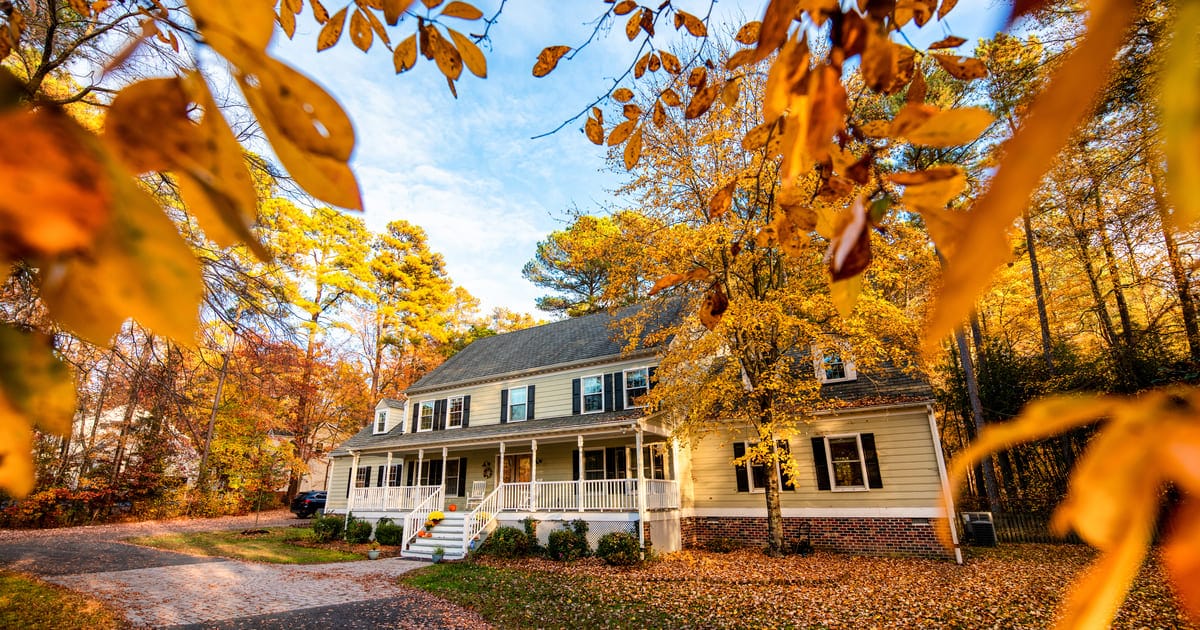
It's fall for this homeowner, and protecting this home's plumbing all winter long means it's time to winterize pipes.

The best time to winterize pipes is before the first hard freeze. A single split pipe can flood a home in minutes, so a little prep now can save you a lot of stress and expense later.

The good news is that winterizing your plumbing isn’t a major project. It’s a handful of small jobs, most of which take little time and cost very little. Keep reading to learn why it matters and then exactly what to do.
Why Winterizing Plumbing Is Worth It

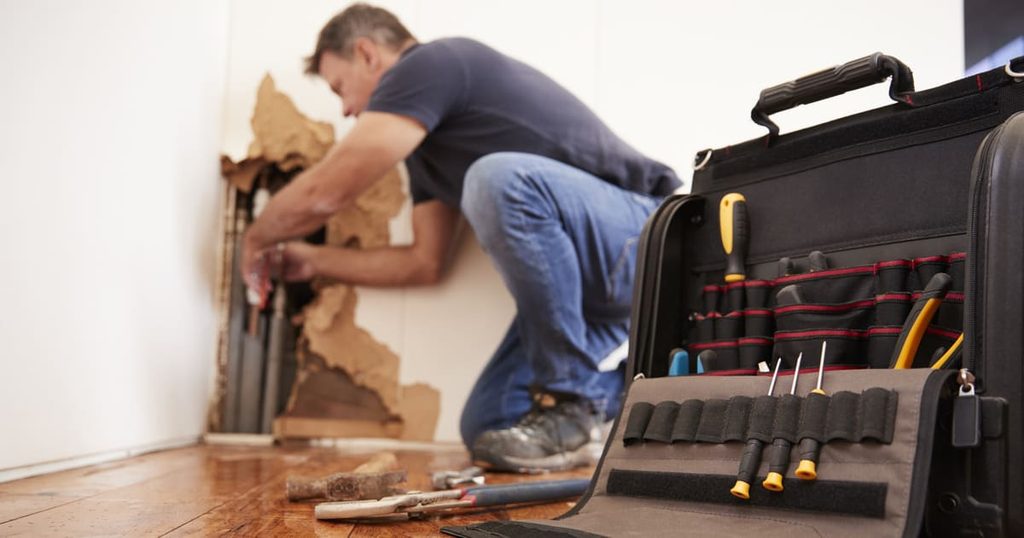
Water expands by about 9 percent when it freezes. Inside a pipe, that expansion builds pressure that can split the pipe, and the leak often shows up only after the ice melts. Water damage can ruin flooring, drywall, and belongings, and it can lead to mold if the area isn’t dried out quickly.

Pipes don’t need arctic temperatures to freeze, either. Even moderately cold temperatures can affect pipes in unheated spaces like basements, crawl spaces, attics, and garages, along with any pipes that run through exterior walls. 

Fortunately, most freeze damage is preventable. Here’s how to get your home ready.

How to Winterize Plumbing in an Occupied Home

How you winterize depends on how you use your home. If you’re living there all winter, the heat stays on and the water keeps running, so the process is slightly different. Follow these steps to protect the parts of your home that can freeze the fastest.

  1. Disconnect hoses and drain your outdoor faucets. Outdoor faucets, also called hose bibs, are one of the first things to freeze and burst. Disconnect every hose, because a hose left attached can trap water in the faucet. If you have an indoor shutoff valve for the outdoor faucet, close it, then open the outdoor faucet to let the line drain. If there’s no indoor shutoff, install an insulated faucet cover to add some protection.
  2. Insulate pipes in cold spots. Check basements, crawl spaces, attics, garages, and any pipes that run along exterior walls. Protect those vulnerable pipes with inexpensive and easy-to-install foam pipe sleeves. For pipes that have frozen before, consider adding heat tape. Buy a product rated for your type of pipe and follow the instructions exactly, since misused heat tape can overheat.
  3. Seal drafts. Fill gaps around pipes where they enter your home, and check windows and doors for air leaks. If you have plumbing in or beside the garage, keep the garage door closed.
  4. Keep the heat on. Set your thermostat to at least 55 degrees, day and night, even when you’re out. Saving a few dollars on heating isn’t worth the risk of a burst pipe.
  5. Prepare for the coldest nights. When a hard freeze is forecast, open the cabinet doors under your sinks so warm air can reach the pipes. Let faucets on exposed pipes drip, because moving water is less likely to freeze.
  6. Find and test your main water shutoff. Make sure everyone in the household knows where it is, and turn it to confirm it works. If a pipe ever bursts, you’ll want to shut off the water in seconds, not minutes.
  7. Don’t forget outdoor water lines. Sprinkler systems usually need to be blown out with compressed air, which is a job for a pro. Outdoor showers and pool lines need to be drained too.

Everything above works best when someone is home to notice a problem. If no one will be there, a few more steps are in order.

How to Winterize Pipes in a Vacant or Seasonal Home

If you’ll be away for weeks or the whole winter, shutting the system down completely is the safest approach. A home with no water in its pipes has nothing to freeze.

  1. Turn off the water heater. Shut off the power or gas first, since a heater running without water can overheat and be damaged. Leave it to cool while you work through the next steps.
  2. Shut off the main water valve. Then open faucets on every level, starting upstairs and working down, to drain the system. Flush the toilets to empty the tanks.
  3. Drain the water heater. Once the water has cooled enough to be safe, follow the manufacturer’s instructions for your model. Open faucets to  let air into the system, which helps the tank drain, and hot water can scald, so don’t rush this step.
  4. Protect your drain traps. Pour non-toxic plumbing antifreeze, the kind made for RVs and plumbing systems, into sink, tub, shower, and floor drains and into the toilets. Never use automotive antifreeze, which is toxic.
  5. Set the heat before you leave. Even with the water off, set the thermostat to at least 55 degrees, because some water always stays in traps and appliances.
  6. Have someone check on the house. A weekly walk-through lets a friend or neighbor catch a problem early.

If you have a boiler, a radiant heating system, or a sprinkler system, definitely call a plumber because each requires its own shutdown steps. Knowing your limits is part of winterizing, too. Here are other scenarios when it’s worth bringing in a pro.

Winterizing Plumbing: When to Call a Plumber

Most of the steps above are manageable for a homeowner, but some situations call for a pro. Call a plumber if:

  • Your outdoor faucet has no indoor shutoff valve
  • An outdoor faucet is already dripping or leaking
  • You have pipes in walls, ceilings, or unheated spaces that you can’t reach
  • Your pipes have frozen in the past
  • Your main shutoff valve is stuck or won’t turn fully.

A plumber can add shutoff valves, replace old hose bibs with frost-proof ones, insulate hard-to-reach pipes, and check your system for leaks before the cold sets in.

Frequently Asked Questions

When should I winterize my plumbing?

It’s best to winterize pipes before the first hard freeze, ideally in the fall. Don’t wait too long, because an early cold snap can catch you off guard.

Does letting faucets drip really prevent frozen pipes?

Letting faucets drip helps on the coldest nights, since moving water is less likely to freeze and a drip relieves pressure in the pipe.

What temperature should I keep my house to protect the pipes?

It’s best to set your thermostat to at least 55 degrees, day and night, including when you’re away.

Do frost-proof hose bibs need winterizing?

They’re designed to shut off water inside the heated part of your home, but you still need to disconnect hoses. A hose left attached can trap water and cause the faucet to freeze.

Can I put antifreeze in my pipes?

You should only put non-toxic plumbing antifreeze in your pipes, and mostly in the drain traps and toilets of a vacant home. Never use automotive antifreeze. A plumber can advise you on anything beyond that.

What if my pipes freeze anyway?

Shut off the main water valve, open the affected faucet, and thaw the pipe gently. Read our blog If Pipes are Frozen, What Do I Do to learn more.
Winterizing Plumbing in Howard County and the Surrounding Area

Most of winterizing is a do-it-yourself job, but it never hurts to have a plumbing pro in your corner.

For nearly 50 years, Heil Plumbing & HVAC has helped Howard County area homeowners keep their plumbing running strong through every season. If you can’t reach a pipe, aren’t sure about a shutoff valve, or suspect a leak, our licensed plumbers are happy to take a look. And if it’s too late and your pipes have burst, Heil offers water leak repair in Howard County. Contact us to learn more.

Contact

Heil Plumbing & HVAC Team

8177 Mission Rd Jessup, MD, 20794, United States

(410) 799-7727
https://heilplumbing.com

Schedule Service

Address

related articles

A person tries to turn on her faucet, but she is left with no water and wonders, "If pipes are frozen, what do I do?"
Homeowner Tips
5 min read • November 6th, 2026

If Pipes Are Frozen, What Do I Do? A Quick Guide

If you just searched “if pipes are frozen, what do I do,” you probably have no running water, and you need answers fast. Here’s exactly what to
Image
Heil Plumbing
It's fall for this homeowner, and protecting this home's plumbing all winter long means it's time to winterize pipes.
Homeowner Tips
5 min read • November 2nd, 2026

How to Winterize Pipes and Protect Your Home From a Hard Freeze

The best time to winterize pipes is before the first hard freeze. A single split pipe can flood a home in minutes, so a little prep now
Image
Heil Plumbing
Before Eddie and Charlie Heil joined the Heil team, they asked the question, "Is being a plumber worth it?"
Blog
5 min read • October 26th, 2026

Being a Plumber: What the Career Actually Looks Like

Being a plumber doesn’t get the credit it deserves. It’s one of the most stable, well-compensated, and genuinely rewarding careers available — and it doesn’t require a
Image
Heil Plumbing