

If Pipes Are Frozen, What Do I Do? A Quick Guide
5 min read • November 6th, 2026
5 min read • November 6th, 2026

If you just searched “if pipes are frozen, what do I do,” you probably have no running water, and you need answers fast.
Here’s exactly what to do, step by step.
These seven steps can keep a frozen pipe from becoming a flooded home, so start at the top and move down.
If the pipe is cracked or leaking, or you still have no water after warming the pipe, call a plumber. And even if you managed to thaw a frozen pipe, a quick plumbing inspection may still be worth it because pipes may have weakened.
Knowing what to do is half the battle. The other half is knowing which tempting shortcuts to skip.
In an emergency, it might be tempting to try something crazy, but resist the temptation.
Each of those warnings exists for the same reason: a frozen pipe is under more pressure than it looks.
Water expands by about 9 percent when it turns to ice, and that expansion is what makes a frozen pipe dangerous.
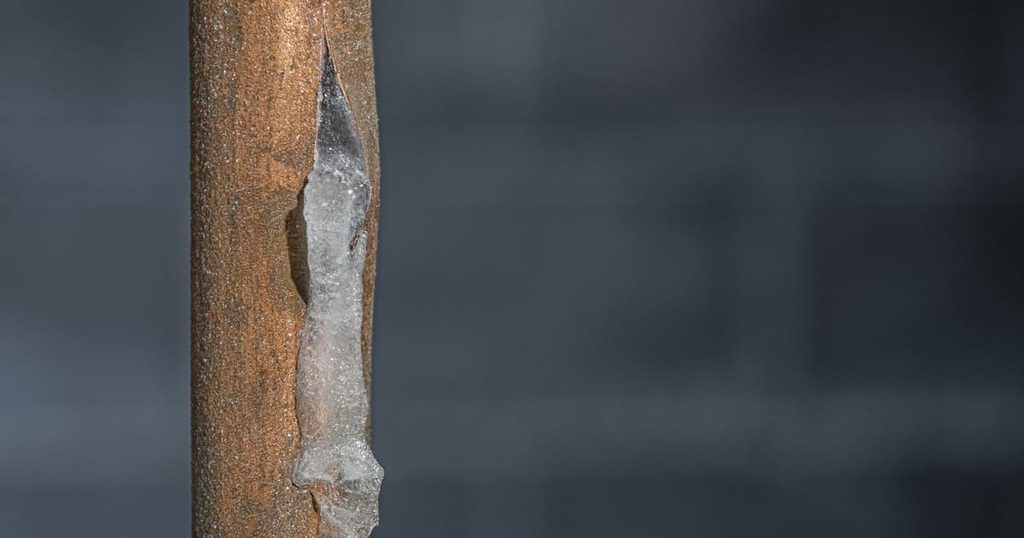
When a section of pipe freezes, the ice forms a plug. As more of the water behind it freezes, pressure builds between the ice blockage and the closed faucet. That pressure is what splits a pipe, and the split often happens in a weak spot between the ice and the faucet, not where the ice actually sits.
Here is the part that catches people off guard. A pipe can crack while frozen and show no sign of a leak, because the ice itself is plugging the hole. The leak may only show up when the ice melts. That’s why a thawed pipe isn’t necessarily a safe pipe, and why you should check it carefully after the water comes back.
A burst pipe can flood a home in minutes, so move quickly and in this order.
When the cleanup and repairs are done, a few simple steps can help keep your pipes from freezing again in the future.
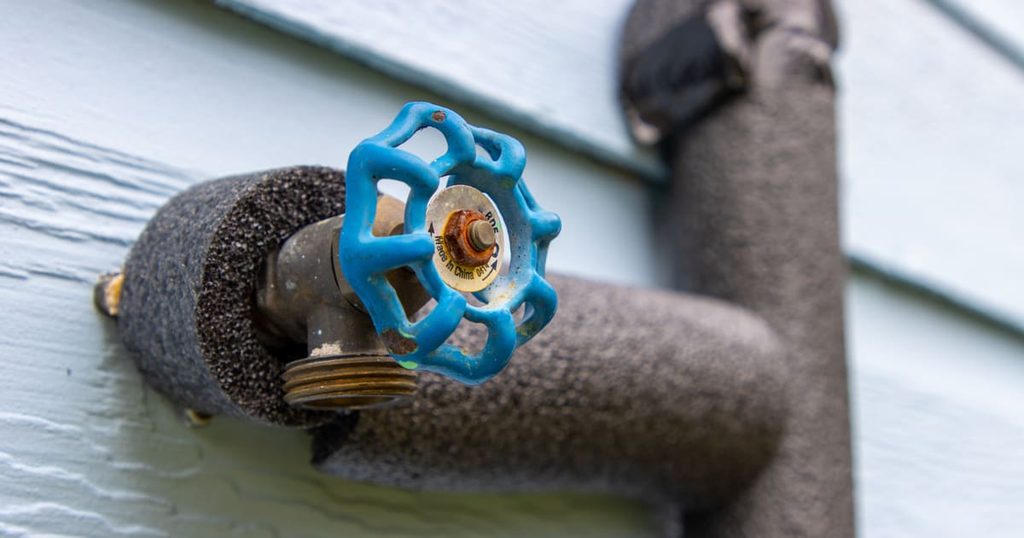
A little prevention goes a long way, and winterizing pipes takes just a few minutes.
Before the next cold hits:
On the coldest nights:
To learn more, read Watch Out For Frozen Pipes This Winter.
Yes, when temperatures rise. But a pipe that cracked while frozen can start leaking as soon as the ice melts, so shut off the water and open a faucet to relieve pressure while you wait.
It depends on the temperature, wind, and insulation. In severe cold, an exposed or poorly insulated pipe can freeze within several hours.
Water freezes at 32 degrees, but pipes usually need to be exposed to temperatures around 20 degrees or lower for several hours before they freeze. Pipes in unheated or exposed areas freeze sooner.
Yes. Shutting off the main valve keeps more water from entering the pipe and limits the damage if the pipe bursts or leaks as it thaws.
Yes, partly open. It relieves pressure in the pipe and gives melting water a way out.
Yes. Ice often damages a pipe before it ever leaks, and the leak shows up once the ice melts. Check the pipe closely as water returns.
Many homeowners policies cover sudden water damage from a burst pipe, but coverage varies. Take photos of the damage and check with your insurer about your specific policy.
Call a licensed plumber. If you have a pipe that’s cracked or leaking, shut off the main water valve first.
Thawing a pipe yourself can get the water flowing again, but it can’t tell you whether the pipe is damaged. A pipe that froze may be cracked or weakened even if it isn’t leaking yet, and a small crack can turn into a flood later. That’s where a plumber comes in.
Heil Plumbing & HVAC has helped homeowners in Howard County and the surrounding area with their plumbing for nearly 50 years. Our licensed plumbers find the freeze, check for hidden cracks, and repair what’s damaged. Our Howard County water leak repair service provides honest answers and upfront pricing before any work begins. Contact us, and we’d be happy to help.