

When to Turn On AC and Why the Right Timing Matters
5 min read • April 23rd, 2026
5 min read • April 23rd, 2026

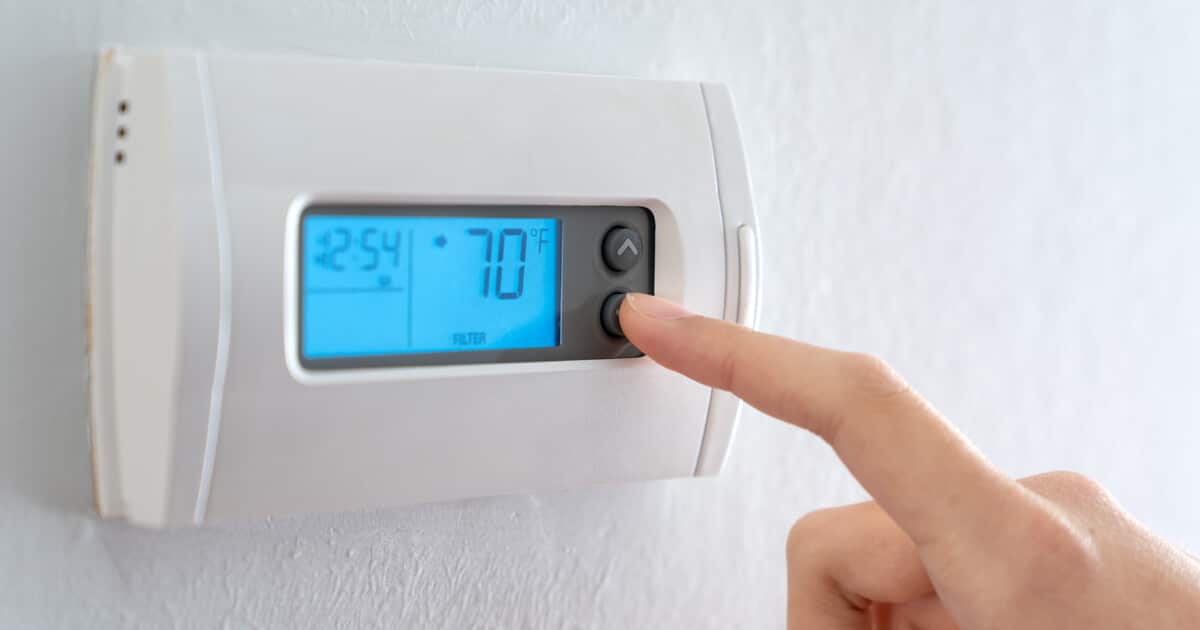
The question “When to turn on AC?” is a common one around this time of year, and here’s the answer: turn your AC on once temperatures consistently hit the low to mid 70s.
What takes a little more explaining is why timing matters and what to do before that first startup to make sure your system is actually ready. Keep reading to learn more.
Like so many things in life, timing is everything. Turn your AC on too early, and you run your system harder than it needs to work during weather that doesn’t call for it. Wait too long, and you risk discovering a problem in the middle of a heat wave — when every HVAC company in town is swamped.
The perfect time to turn your AC on is springtime, or somewhere in late April to early May for most of the country. What it really comes down to is the outdoor air temperature. Once you’re seeing consistent daytime temps in the low-to-mid 70s, your AC has a reason to run — and that’s when you want to give it a proper test drive.
Running it for 15-20 minutes on a warm spring day is one of the smartest things you can do. If something’s off, you’ll find out now — not in the scorching heat of July.
And while the timing of turning on your AC matters, so do the steps you take to prepare your AC for the season.
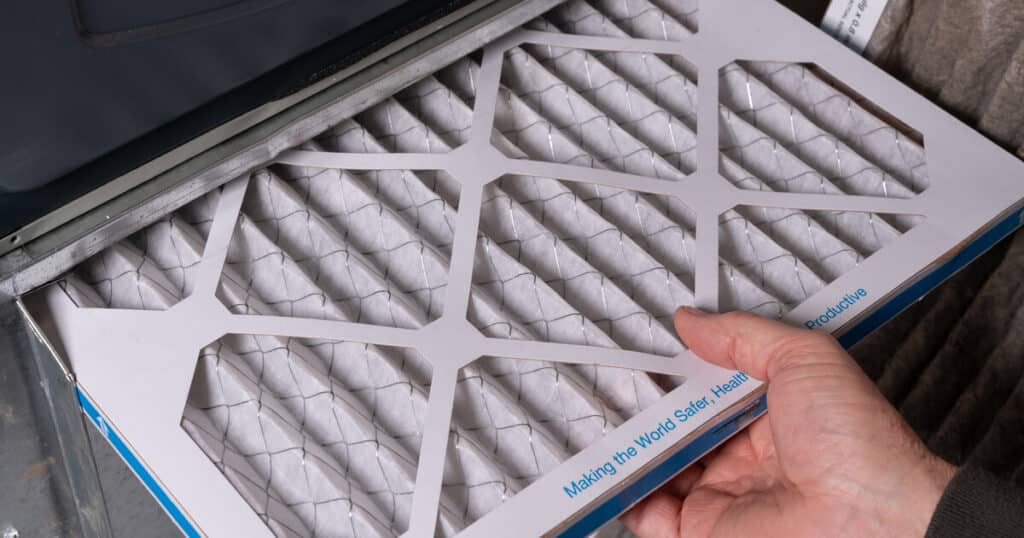
A little HVAC prep can go a long way. Before you switch over to cooling mode, it’s worth taking a few minutes to check a few things:
For a more thorough seasonal prep, our Spring HVAC Maintenance Checklist walks you through everything worth checking before the cooling season gets underway.
Once everything is in order and your AC is running, pay attention — your system will tell you pretty quickly if something isn’t right.
Give your system about 15 minutes on that first run and put your senses to work. You’re looking for cool air coming from the vents, listening for smooth, quiet operation, and making sure nothing smells off. That’s your baseline for a healthy startup.
Most of the time, everything checks out just fine. But if you notice any of the following, don’t brush it off:
The key with any of these is not to wait. Small issues caught in May are almost always cheaper and easier to fix than the same issues discovered in August.
And, if your system is more than 10-12 years old, hasn’t been serviced in a while, or showed any issues last summer, a professional tune-up before the cooling season may be the wiser option.
A trained technician can catch things like refrigerant issues, electrical connections starting to loosen, and coils that need cleaning. It’s the kind of preventative care that keeps a minor issue from becoming a full system failure on the hottest day of the year.
While the above is true for most HVAC systems, there are a few more things to keep in mind for those with a heat pump.
Heat pumps are a little different from traditional AC systems — they work year-round, switching between heating in the winter and cooling in the summer. That means by the time spring rolls around, your system has already been putting in serious work for months.
Before making the switch to cooling mode, it’s worth having a technician take a look at the reversing valve — the component responsible for switching between heating and cooling — as well as refrigerant levels and the coil. After a full winter of heating duty, these are the areas most likely to need attention before the cooling season begins.
A spring checkup on a heat pump isn’t just a nice-to-have. It’s genuinely worth the investment.
Many HVAC companies run special deals on HVAC membership plans that include AC tune-ups. In some cases, the price of the plan can be the equivalent of the price of both an AC and furnace tune-up. That makes purchasing an HVAC maintenance plan a no-brainer. We break it all down in Are HVAC Maintenance Plans Worth It?
For most homes, 72-74°F is a comfortable starting point. When you’re away, bumping it up to 78°F saves energy without putting stress on the system.
If nighttime temps are consistently dropping below 65°F, it’s better to open a window and give the AC a rest. Running it in very cool conditions can cause the system to short-cycle or put unnecessary wear on the compressor.
Start with the basics — check the thermostat settings, make sure the circuit breaker hasn’t tripped, and confirm the outdoor disconnect switch is on. If everything checks out and the system still won’t start, it’s time to call a technician.
If your system is 12-15 years old, has needed repairs two or more years in a row, or struggles to keep up on hot days, it may be worth having a professional assess whether repair or replacement makes more sense.
The calendar can be a rough guide, but outdoor temperature is a better one. When you’re seeing consistent daytime highs in the low-to-mid 70s — typically sometime between late April and early May for most regions — that’s your cue. If you’re unsure, err on the side of a quick test run rather than waiting until the first genuinely hot day to find out if everything’s working.

The best time to think about when to turn on your AC is before you actually need it. A quick test run, a fresh filter, and a professional set of eyes on an older system are all it takes to head into summer with confidence.
Heil Plumbing & HVAC has been that professional set of eyes for Howard County homeowners for nearly 50 years. If you’re local to the area and want a straight answer about whether your system is ready for the season, our Howard County AC team would be glad to help. We’ll never pressure you or give you a sales pitch; we just offer honest advice as people who’ve been at this a long time.