

Plumbing Problems in Old Homes: What Buyers and Owners Should Understand
6 min read • December 20th, 2025
6 min read • December 20th, 2025


If you’re buying (or already own) an older home and love it, you’re not alone. They really don’t make them like they used to! But charm can come with challenges…especially as it relates to plumbing. Plumbing problems in old homes are fairly common and can get expensive fast.
You see, while hardwood floors and crown molding often age beautifully, plumbing rarely does. That’s because many homes built before 1970 still rely on cast iron or clay pipes—materials that weren’t meant to last this long.
Let’s break down the most common plumbing problems in old homes—and how to handle them without tearing up your yard or your budget.

Plumbing problems don’t always announce themselves with a burst pipe. Often, it starts with small things. You might notice low water pressure, slow drains, or leaks in unexpected places. These are often symptoms of deeper issues caused by outdated materials, structural shifts, or decades of wear.
Here are the most common plumbing problems we find in homes built before 1970:
Galvanized steel, cast iron, and lead were once common in water and sewer systems. Today, each presents its own risks:
After decades underground, such pipes weaken and can encounter all sorts of problems.
As the ground under your home shifts or settles over time, sections of your plumbing—especially sewer lines—can begin to sag. These dips, known as pipe bellies, create low spots where water and waste slow down or even sit still. That standing waste can lead to buildup, blockages, and recurring clogs that don’t seem to go away, no matter how often you clear them.
Because these sags occur underground, they aren’t something you can spot with the naked eye.
Mature trees add beauty to older properties—but their roots can wreak havoc on aging plumbing. Clay and cast iron pipes are prone to cracking and joint separation. As pipes weaken, tree roots seek out moisture and can push into even the smallest openings.
Once inside, tree roots in sewer lines grow quickly, blocking flow and leading to frequent clogs or even full sewer backups. Because the damage happens underground, it’s easy to miss until there’s a major issue.
But there are plumbing issues inside of older homes as well.
Inside a charming older home, old valves, joints, and fittings can slowly begin to deteriorate, leaking slowly behind drywall or under floors for years. These leaks may go unnoticed for years, quietly causing mold growth, wood rot, and drywall damage.
By the time you notice signs like musty odors, warped walls, bubbling paint, or soft flooring, the water has already done its work—and repairs may extend beyond plumbing.
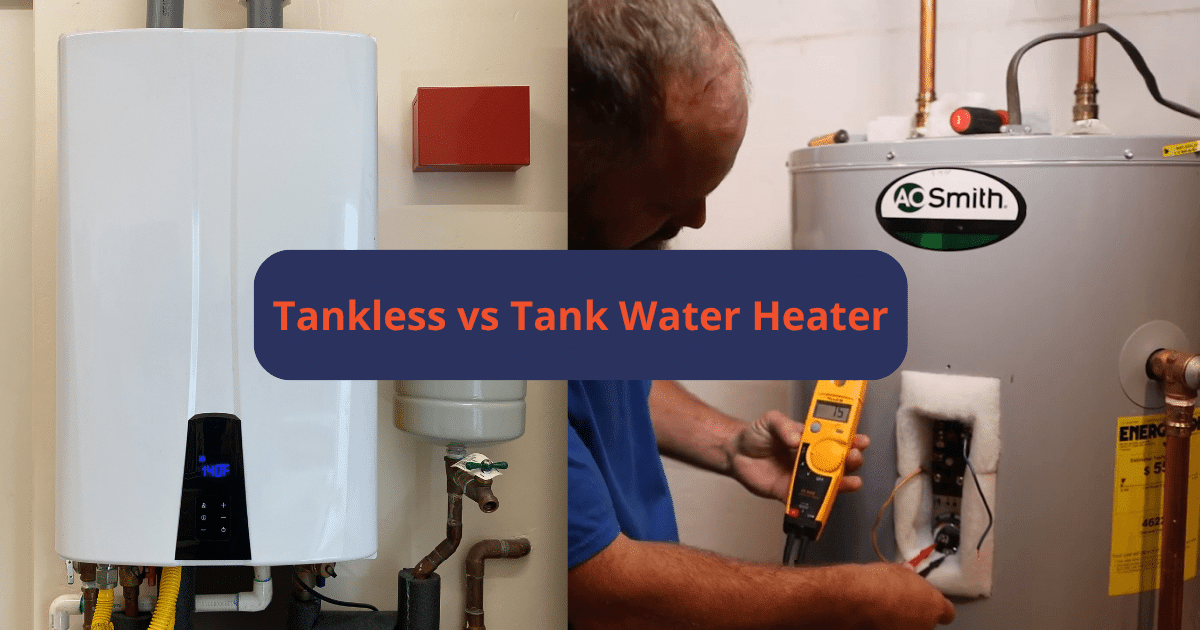
Unlike some plumbing components that can last for decades, water heaters have a more predictable lifespan—typically 10 to 12 years. Some can stretch to 15 or even 18, but that’s the exception, not the rule.
As water heaters age, they become less efficient and more prone to issues like inconsistent hot water, strange noises, or leaks at the base. While an older unit may still function day-to-day, it’s often operating at reduced efficiency, driving up energy costs without homeowners realizing it.
Whether you’re in the buying process and something came up on a home inspection or you live in the home and have started noticing slow drains, gurgling toilets, or damp spots underfoot—don’t wait. In older homes, even minor plumbing issues can signal deeper problems.
Early intervention gives you more repair options and helps you avoid surprises down the road. It also gives your plumber time to assess whether you’re dealing with a small fix, a failing section of pipe, or a system-wide issue.
If you’re buying a home and the inspection flagged plumbing issues, it’s wise to follow up with a licensed plumber with experience in older homes. And if you’ve lived there for years and keep dealing with recurring clogs or leaks, it’s time to call a plumber for a closer look.
An experienced plumber won’t just clear a clog—they’ll help you understand why it’s happening, what your options are, and whether a band-aid fix or a complete overhaul is necessary.
Evaluating sewer problems in older homes typically requires a sewer camera inspection, a non-invasive way to visually inspect underground pipes for cracks, root intrusion, bellies, and breaks. A skilled plumber will also check water pressure, inspect exposed interior pipes, and look for signs of hidden leaks behind walls or under floors.
Here is what you may encounter in a more significant repair or replacement:
A good plumber should walk you through every option, help you understand the trade-offs, and never push a full replacement unless it’s truly the best path forward.

Anywhere from $3,000 to $10,000+, depending on length, depth, and complexity. The biggest cost jump often comes from tearing out landscaping or driveways. Read our blog to learn more if you are asking, “Why is sewer line replacement so expensive?”
Check for discolored water, low pressure, leaks, or slow drains. A licensed plumber can perform a sewer camera inspection to assess underground lines.
Typically, 50 to 75 years—but that’s under ideal conditions. In reality, factors like tree root intrusion, shifting soil, poor installation, or corrosive water can shorten their lifespan significantly.
Not always—but many do. If the home still has galvanized steel, cast iron, lead, or polybutylene pipes, it’s likely time to replace them. Even if the system is functioning, aging pipes are more prone to leaks, clogs, and water quality issues. A professional inspection can help determine whether a full repipe or targeted upgrades are the smarter move.
It depends on the size of the home, the type of pipe used (PEX vs. copper), and how accessible the plumbing is. In Maryland, whole-home repiping typically ranges from $5,000 to $15,000+. Homes with multiple stories or limited access may cost more due to the added labor and materials.
Sometimes, but patch jobs on failing systems tend to be short-term solutions. A full replacement is often more cost-effective long-term.
Usually not. Most homeowners’ insurance policies do not cover plumbing replacements due to age or normal wear and tear. They may cover sudden water damage caused by a pipe failure, but not the cost to replace the old plumbing itself. Always check your specific policy and ask your plumber for documentation if you plan to file a claim.
At Heil Plumbing & HVAC, we’ve been helping Maryland families protect their homes for generations—from clearing root-choked sewer lines in Jessup to replacing burst pipes with expert plumbing in Timonium. That legacy means more than experience—it means you can count on us to tell it to you straight, offer real options, and never push a solution you don’t need.
That’s especially important when it comes to sewer and water line work, which requires permits. Every county and municipality has its own rules, inspection schedules, and approval processes. If your plumber doesn’t know the system—or starts digging before permits are approved—you could end up with an open trench in your front yard for days or even weeks.
We don’t let that happen.
At Heil, we know how to navigate permit requirements in Baltimore, Howard, Montgomery, and Anne Arundel Counties and beyond. We pull permits the right way, coordinate inspections, and complete most major replacements in just one to two days—not weeks.
When you work with Heil, you’re not just hiring a plumber. You’re partnering with a team that protects your time, your property, and your peace of mind.